Best picks · three tiers
Best shed foundation kits
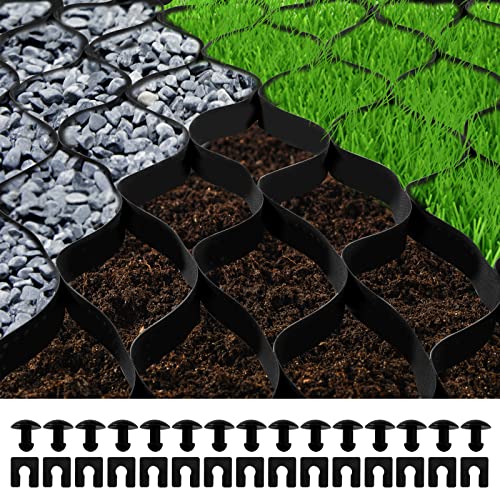
For a typical gravel shed pad, the Sumloty Gravel Grid at $31.99 does the job cheaply: it keeps crushed stone from spreading and sinking under foot traffic and equipment, which is most of what a shed foundation kit needs to do.
Picks by budget: beginner, intermediate and expert
Sumloty Gravel Grid 4 x 33 FT

$31.99
Who it is for: Anyone building a standard gravel pad under a small to mid-size shed.
A 2 inch deep HDPE gravel grid is the simplest way to stop crushed stone from spreading, and this roll covers enough square footage for most 8x10 to 10x12 pads at the lowest price point here.
Skip it if: Sheds going on a wood deck-style foundation instead of gravel, where a grid does nothing.
Check price on AmazonArrow FDN109 Storage Shed with Floor Base Kit for 8'x8'

$119.55
Who it is for: Owners of an Arrow 8x8, 10x8, or 10x9 shed who want a base kit engineered specifically for that model.
Arrow's FDN109 base kit is purpose-built for its own 8x8, 10x8, and 10x9 sheds, so the frame dimensions and floor supports match without any trimming or guesswork.
Skip it if: Say plainly: this only fits those three Arrow shed sizes. Any other brand or size needs a different kit.
Check price on AmazonTRUEGRID
$208
Who it is for: Anyone building a permanent, engineered base under a shed on soft, wet, or heavily trafficked ground.
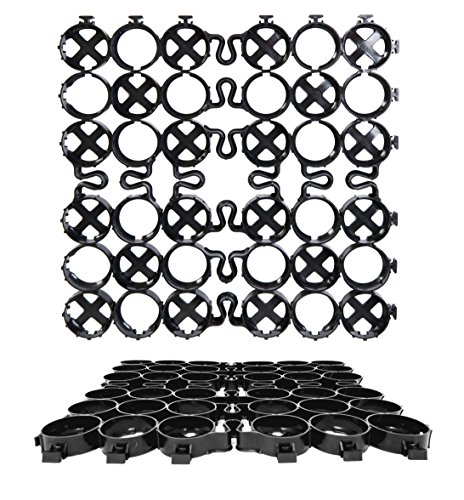
TrueGrid's Pro Lite permeable paver system is rated to handle 120,000 lbs, far beyond anything a small storage shed weighs, which is the point: it's built for driveways and RV pads and simply overperforms under a shed.
Skip it if: Anyone with firm, dry, level ground and a small shed. A basic gravel grid handles that ground with no wasted cost.
Check price on AmazonAlso worth a look


Prices change often; the button shows today's price on Amazon.
What does a shed foundation kit actually do?
Most of the products in this category solve one of two problems: keeping a gravel pad's stone from spreading under load (ground grids and geogrid), or supporting a shed on an elevated deck-style base instead of gravel (adjustable pedestal kits). A few, like the Arrow base kits, are brand-specific systems that combine both a floor frame and a ground interface for that manufacturer's sheds only.
How big a gravel pad do I actually need?
Site prep math: the pad should extend 1 ft beyond the shed's footprint on every side, at 4 in deep on firm soil or 6 in deep on soft or wet soil, using crushed 3/4 in stone at about 1.4 tons per cubic yard. Order 10% extra for compaction. An 8x10 shed needs roughly a 10x12 pad, about 1.63 cubic yards, or 2.3 tons of stone. A 10x12 shed needs a 12x14 pad, about 2.28 cubic yards, or 3.2 tons.
Run your exact numbers with the gravel pad calculator before ordering stone or a grid.
Ground grid vs. deck pedestals vs. brand-specific base kits
| Type | Best for | Price range here |
|---|---|---|
| Ground grid / geogrid | Standard gravel pads on level ground | Lowest to mid |
| Adjustable deck pedestals | Uneven ground needing an elevated, leveled deck base | Mid |
| Brand-specific base kit (Arrow, etc.) | Matching a specific manufacturer's shed exactly | Mid to high |
| Heavy permeable paver system | Soft, wet, or high-traffic ground needing engineered load capacity | Highest |
Gravel vs. concrete: which foundation type fits your shed?
Everything above assumes a gravel-based pad, which is the faster and cheaper route for most storage sheds. A poured concrete slab costs more and takes longer to cure but handles heavier equipment like riding mowers better over the long run. See the full breakdown in our gravel vs. concrete shed foundation comparison.
How we chose these
Nothing here was tested in person or installed on our own property. These picks are researched from manufacturer load ratings, published dimensions, and recurring themes in verified owner reviews, checked against the site prep math above so a foundation claim matches what the product can actually support.
Buying tips before you order
- Order 10% extra stone or grid material to cover compaction and trimming waste.
- Check whether a base kit is brand-specific, like the Arrow kits here, before assuming it fits your shed.
- Call 811 before digging or driving anchors into a foundation area.
- Confirm setbacks and permit thresholds for your town; even a foundation-only project can trigger local rules if it's part of a permitted structure.
Shed foundation kit comparison
| Pick | Type | Fits | Price |
|---|---|---|---|
| Sumloty Gravel Grid | Ground grid | Any gravel pad up to roughly 130 sq ft | $31.99 |
| Arrow FDN109 Base Kit | Brand-specific base kit | Arrow 8x8, 10x8, 10x9 sheds only | $119.55 |
| TrueGrid Pro Lite Paver | Permeable paver system | Any shed, especially soft or wet ground | $208 |
The picks, side by side
Prices change often; the button shows today's price on Amazon.
More roundups
- Best shed locks
- Best shed ramps
- Best shed shelving
- Best sheds for riding mowers
- Best solar shed lights
- Best wood shed kits
Get these picks and prices by email
One page with every item, quantity and current price, so you can cost the whole project before you buy any of it.
Used only to send the list. You can also just read it on this page.Frequently asked questions
Do I need a foundation kit if I'm just using gravel?
A ground grid isn't strictly required, but loose gravel without one tends to spread and rut under a shed's corners over a few seasons of foot traffic and weight. A grid keeps the stone locked in place, which keeps the shed sitting level longer with less maintenance regrading.
Can I use a generic ground grid instead of a brand-specific base kit?
Yes, for most sheds. Brand-specific kits like Arrow's are convenient because they're pre-sized for that exact model, but a generic gravel grid under a properly sized pad works for almost any shed brand. The brand-specific kit mainly saves you from measuring and cutting a generic grid to fit.
How deep should the gravel be under a shed foundation kit?
Four inches deep on firm, well-drained soil, stepping up to 6 inches on soft or wet soil. The grid itself typically sits within that depth to lock the stone layer in place. Skimping on depth is the most common reason a gravel pad settles unevenly within the first year.
Does a heavy-duty paver system make sense under a small shed?
Only if your ground is genuinely soft, wet, or gets heavy foot and equipment traffic. These systems are rated for driveway and RV loads, far more than a shed needs, so on firm dry ground you're paying for capacity the shed will never use. On poor ground, though, it solves a settling problem a basic grid can't.
What happens if I skip a foundation kit entirely?
Some small sheds are sold as sitting directly on bare, tamped soil, but that invites uneven settling, standing water under the floor, and faster wood rot or metal rust at the base. A basic gravel pad with a grid is inexpensive insurance against all three and is worth doing even on a tight budget.
This page is researched guidance, not professional engineering, legal or building-code advice. Sizes, loads and permit rules vary by product and by town: check your local code and the kit manufacturer's instructions before you build.